Category: 2010s
Views from the 6ix on Harbour Terrace
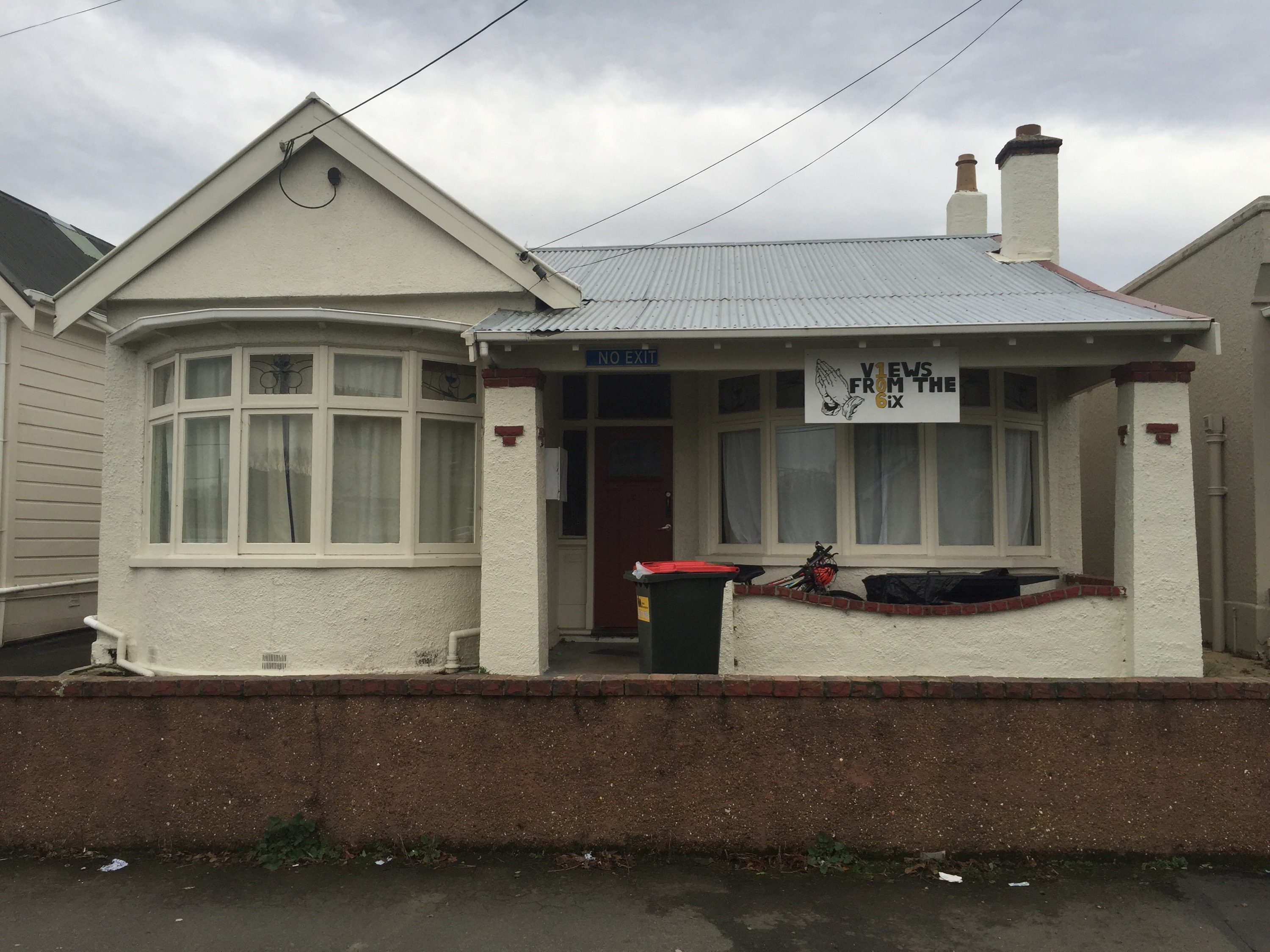
This flat is situated opposite Logan Park with a view of the sports grounds. The sign incorporates the street address and makes a couple of references to the work of Canadian rapper, Drake who’s 4th studio album, Views, was released on April 2016 through Young Money Entertainment. According to The Verge it was streamed over 250 million times in one week.
The 6ix
The album entitled Views is also known as Views from the 6. “The 6” refers to Toronto and in his trailer for the album Drake refers to elements of his life in The 6, “… Best I ever had. Bad behaviour. Old crib, new crib. …” the album is a reflection on his identity and his relationship to that place. The name he uses has been widely embraced according to The Globe and Mail and as evidenced in regular use of the hashtag #the6 or #6ix on social media platforms.
Why is Toronto known as The 6? One explanation for the nickname is the number 6 in Toronto’s area codes 416 and 647. An interesting fact from Pitchfork, Toronto as it is now known is made up of what were originally six smaller cities: Toronto, York, North York, East York, Etobicoke, and Scarborough.
Praying hands
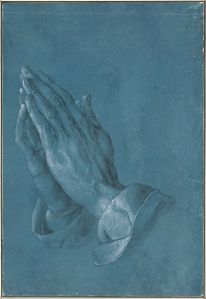
Praying hands, Albrecht Dürer, c 1508
While the sign references The 6, it also displays an image of praying hands that feature on a previous album, If You’re Reading This It’s Too Late, the symbol continues to be used on his advertising, for example on tour posters.
Many will be familiar with an emoji of praying hands. In celebrity culture and on reality TV we see a lot of praying hands as people give thanks or acknowledgement while intoning, “thank you SO much”.
Interestingly this image, utilised by Drake in his advertising, is over 500 years old. The hands are a representation of Albrecht Dürer’s Studie zu den Händen eines Apostels, 1508, the relationship to Drake is unclear.
BΔΞ (Beta Delta Xi) on Castle Street
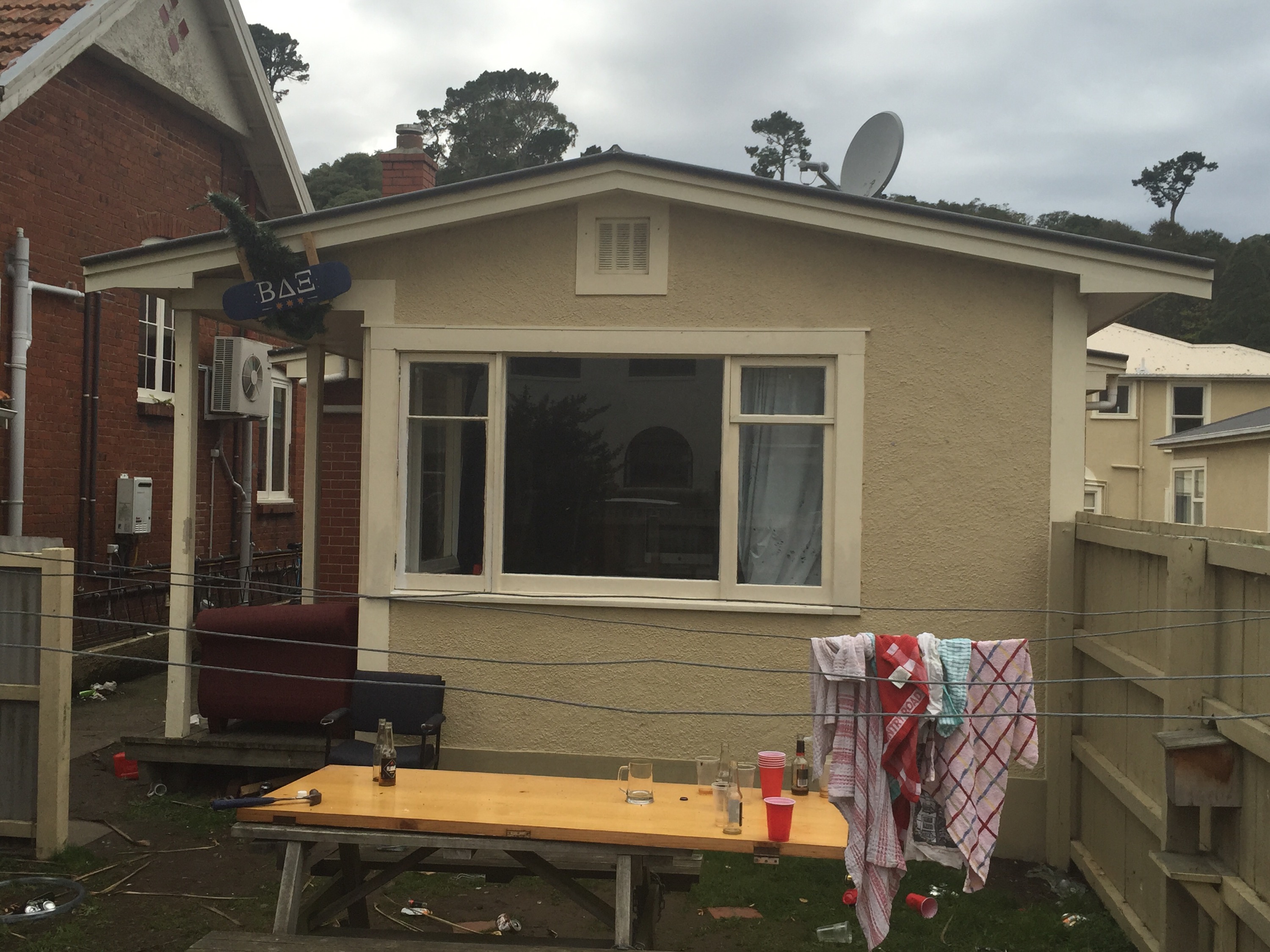
This sign, BΔΞ, has been made using a skateboard deck. The Greek text is underscored by, what appears to be, three Speights stars.
The Greek letters (Beta Delta Xi) represent a fictional fraternity – the same name was used in the popular movie American Pie.
The Red Barn on Grange Street
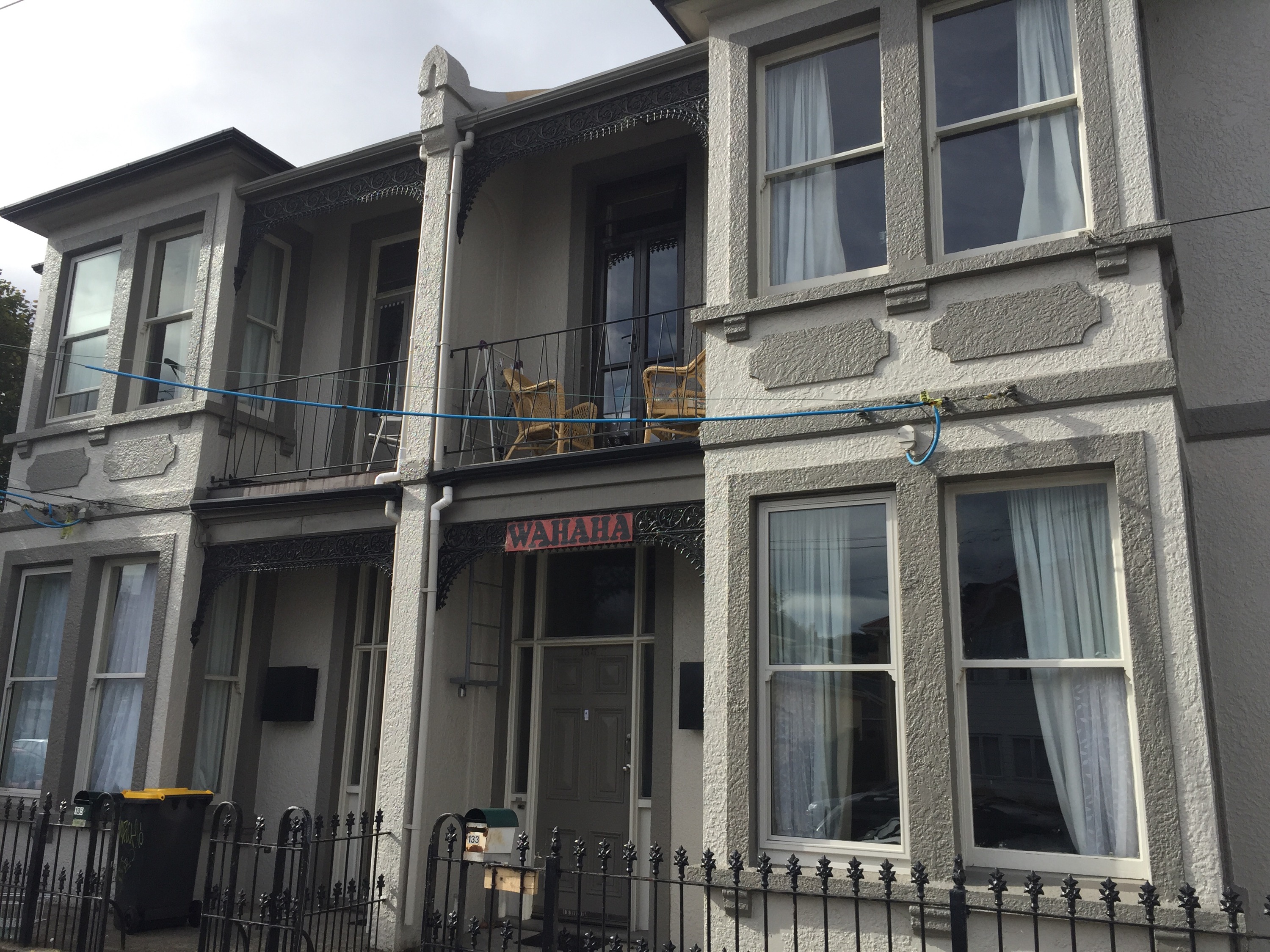
Wahaha on Leith Street
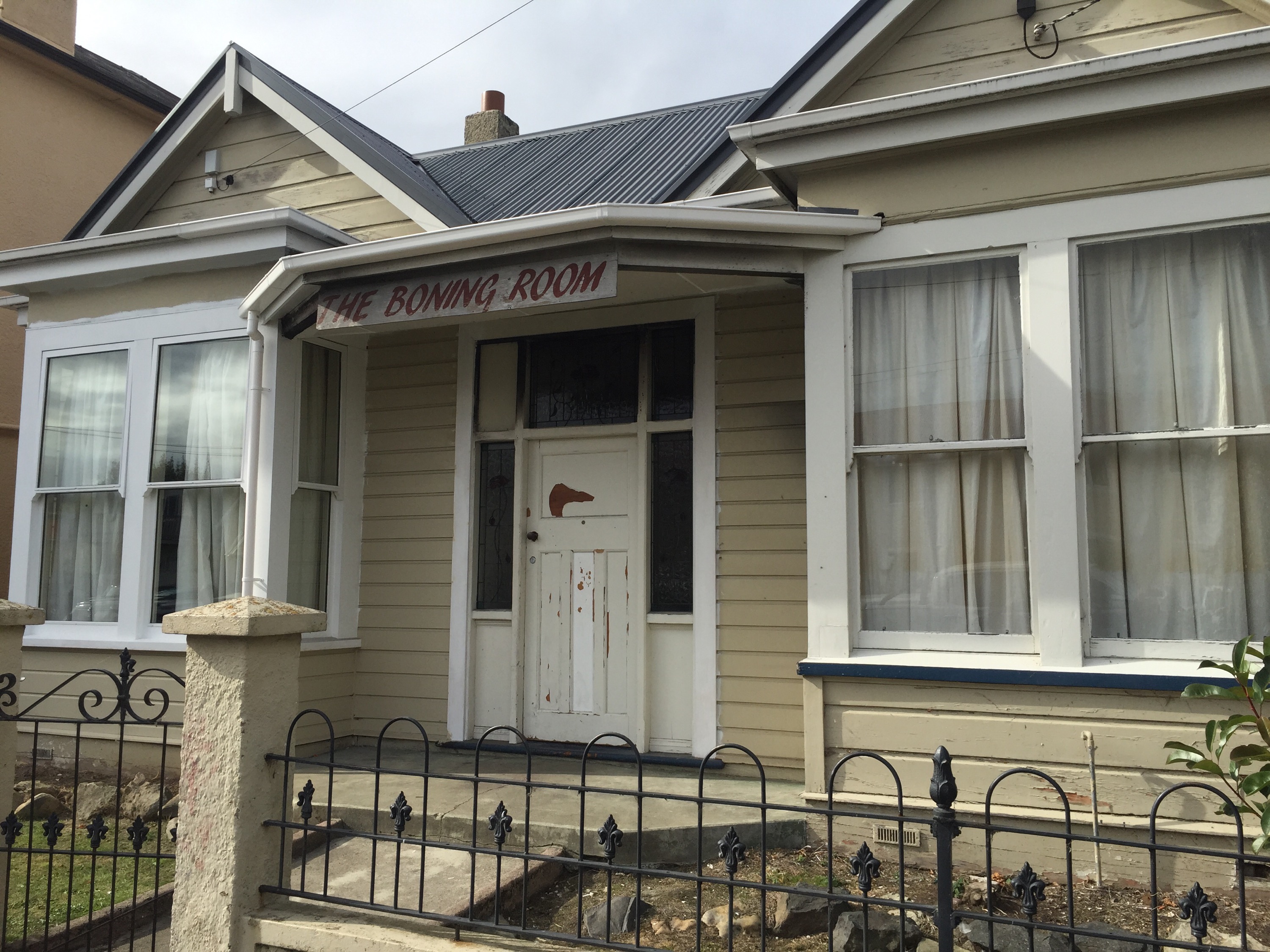
The Boning Room on Leith Street
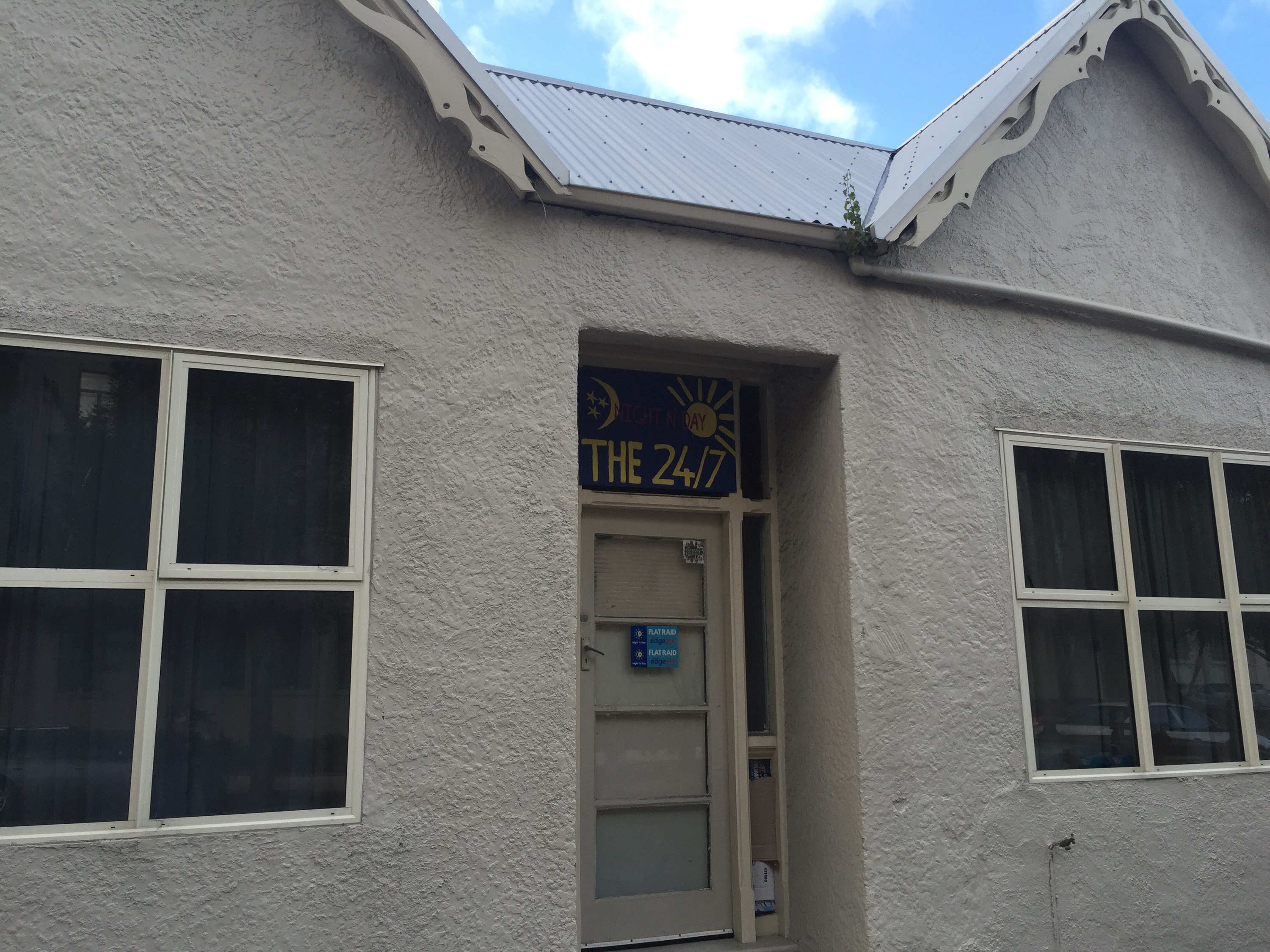
The 24/7 on Castle Street
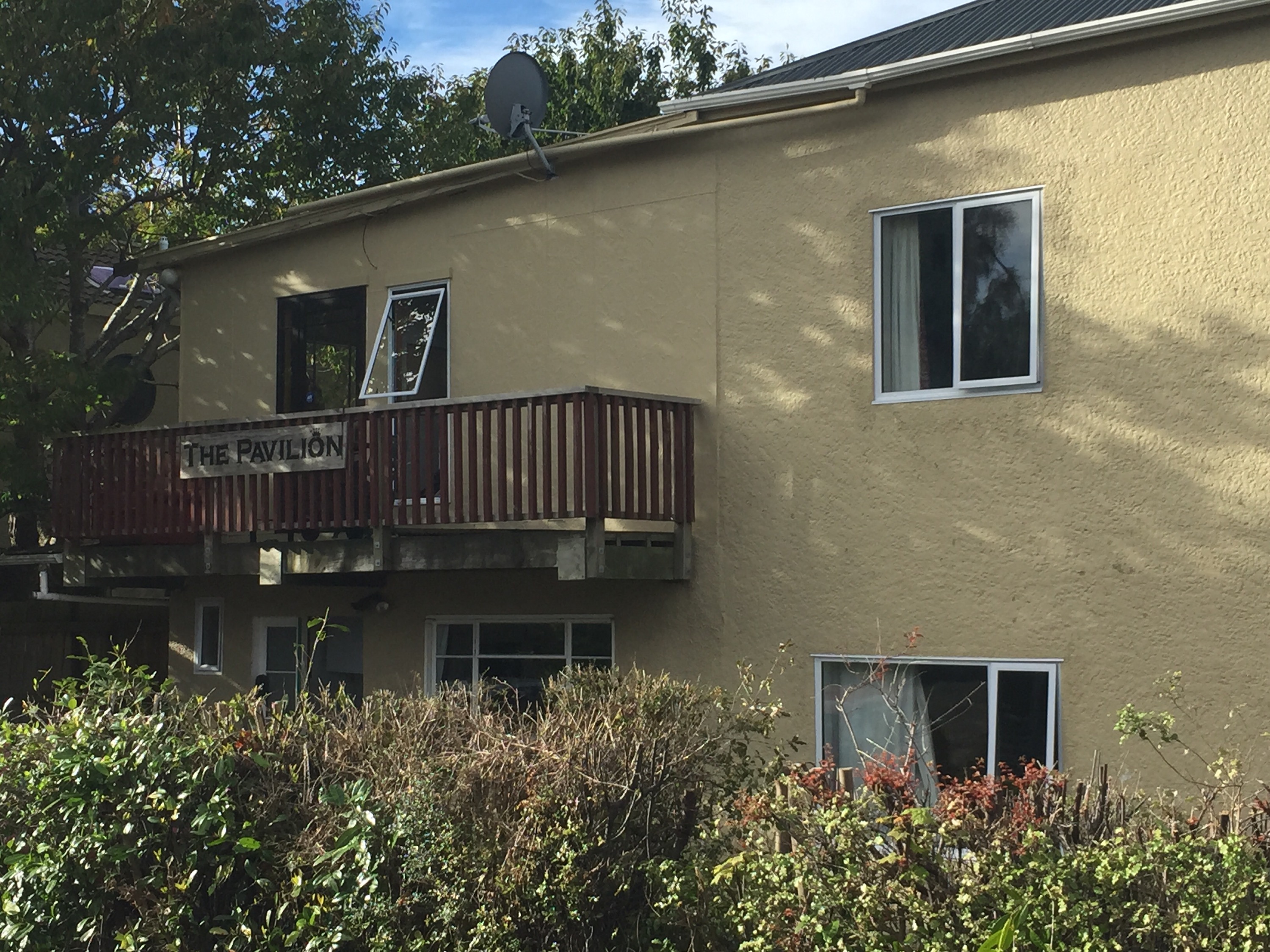
The Pavilion – Royal Terrace
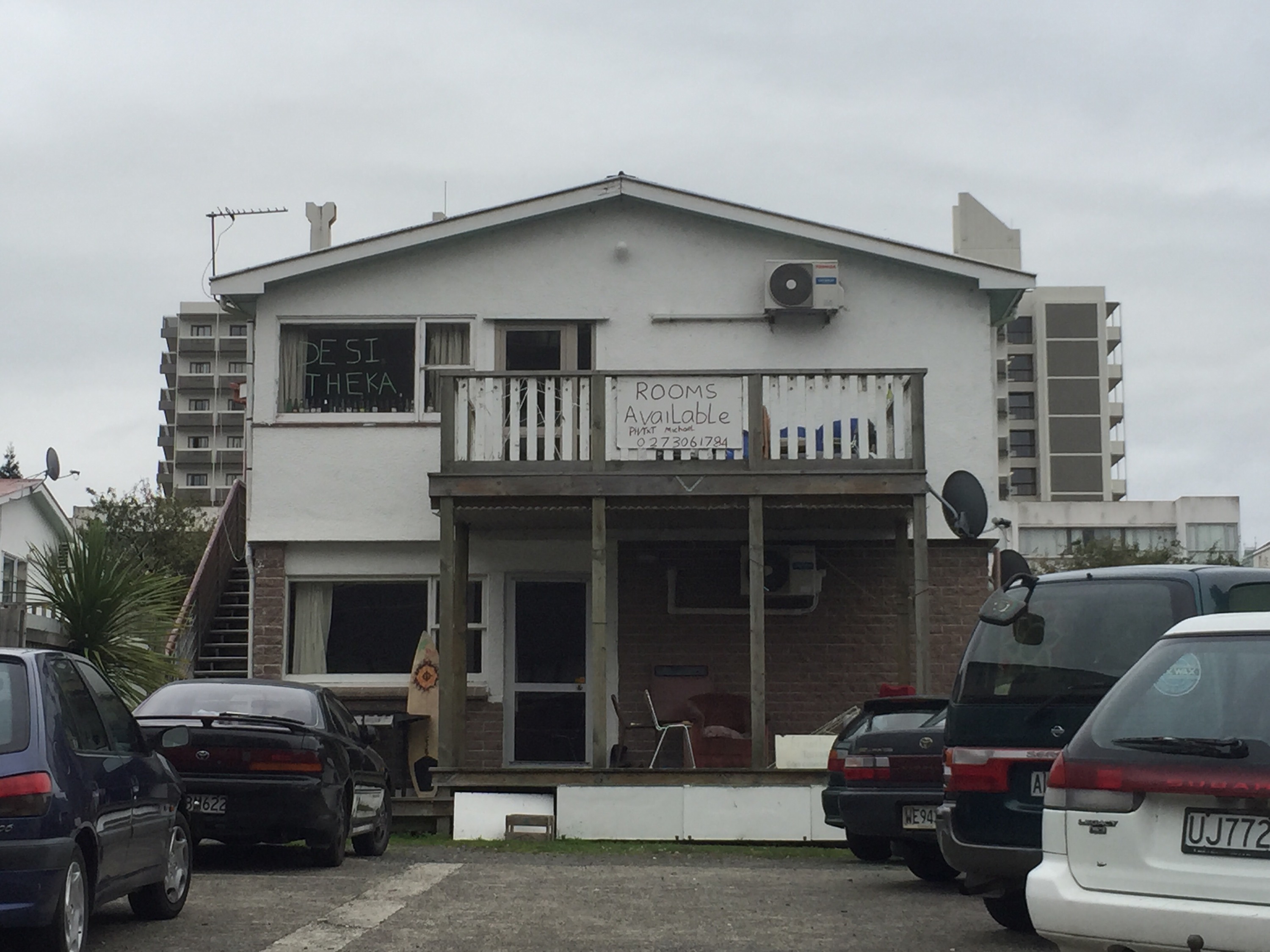
DESI THEKA on Forth Street
I’m unsure of the meaning of this name, possibly it’s a take on a Greek style fraternity or sorority names (eg ZETA).
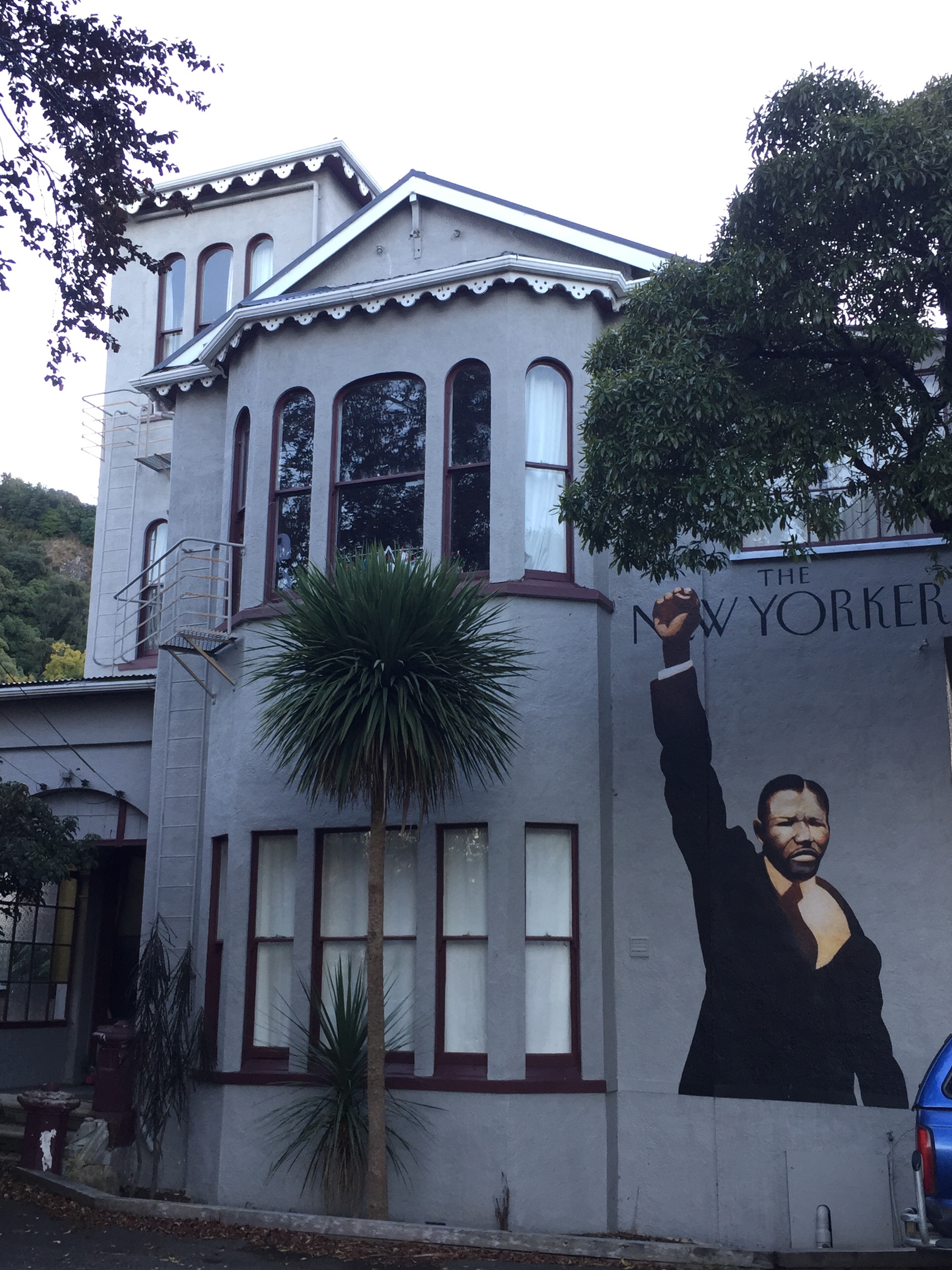
The New Yorker on Queen Street
Displaying a stunning image of Nelson Mandela from the cover of The New Yorker on December 16 2013, a tribute issue published a week after his death.
The Huffingdon Post reported the upcoming cover on May 12 2013 and had this to say about it: “The cover is entitled, “Madiba,” Mandela’s tribal name, and is the artwork of author and artist Kadir Nelson. Nelson, who has illustrated a children’s book on Mandela, told the New Yorker that he drew this cover to reflect a young Mandela “during the time that he was on trial with over a hundred of his comrades.”
“I wanted to make a simple and bold statement about Mandela and his life as a freedom fighter,” he said. “The raised fist and the simple, stark palette reminded me of posters and anti-apartheid imagery of the nineteen-eighties. This painting is a tribute to the struggle for freedom from all forms of discrimination, and Nelson’s very prominent role as a leader in the anti-apartheid movement.”
The mural at the Queen Street residence was commissioned by the owner (2014-2015) and was painted by local Dunedin artist Greg Lewis.
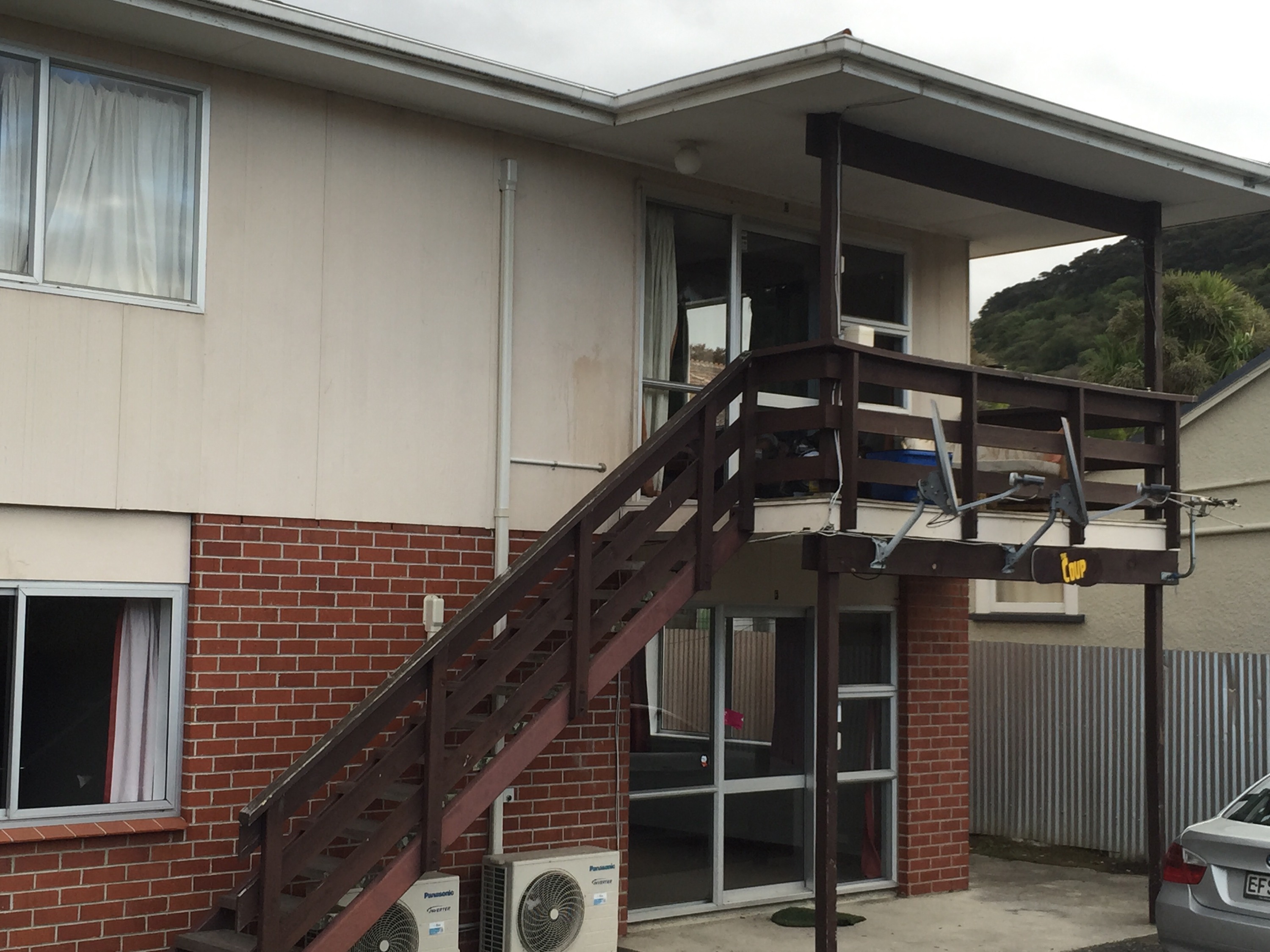
The Coup on Great King Street
 Dunedin Flat Names Project